The Silent Storm: Navigating the Types of Generators Available at Home Depot for Your Home
The lights flicker, then plunge your home into darkness. The hum of the refrigerator fades, and the digital clock on the microwave goes blank. For many homeowners, this scenario isn't just an inconvenience; it's a stark reminder of our reliance on electricity. That's where a reliable home generator comes in, offering a crucial lifeline when the grid fails.
But with so many options, how do you even begin to choose? Home Depot offers a vast selection, and understanding the types of generators available at Home Depot is your first step toward making an informed decision. As a seasoned journalist who's spent years diving deep into home solutions, I'm here to demystify the world of generators, guiding you through the choices so you can confidently pick the right power partner for your home.
At a Glance: Your Generator Shopping Cheat Sheet
Before we dive deep, here’s a quick rundown of what you’ll learn and what to prioritize:
- Main Types: You'll primarily choose between portable (conventional or inverter) and standby generators.
- Fuel Flexibility: Consider gasoline, propane, natural gas, or dual-fuel models for convenience and resilience.
- Size Matters: Match wattage to your essential appliances, factoring in "starting watts" for motors.
- Noise Level: Inverter generators are often quieter, crucial for residential areas.
- Safety First: Look for carbon monoxide (CO) sensors and automatic shut-off features.
- Beyond the Price Tag: Factor in run time, maintenance, and warranty for long-term value.
Understanding the Core: What Kinds of Generators Will You Find?
Home Depot's aisles (both physical and virtual) are stocked with a variety of generators, each designed for different needs and budgets. Let's break down the main categories you'll encounter.
Portable Generators: The Go-Anywhere Workhorses
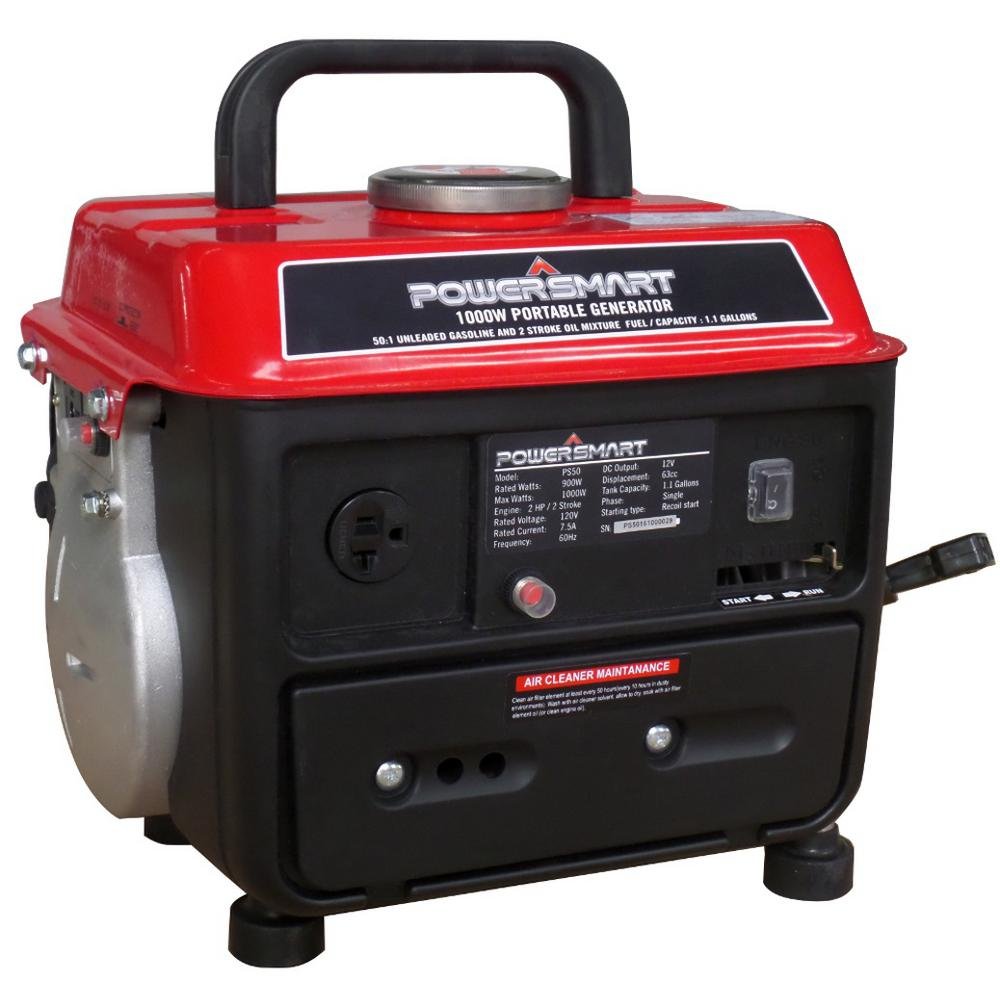
Portable generators are exactly what they sound like: units you can move. They're typically wheeled and can be transported to different locations, making them versatile for everything from tailgating to powering critical home circuits during an outage.
- Conventional Portable Generators:
- How they work: These are the traditional rumble-and-roar generators you might picture. They use an engine to spin an alternator, producing raw AC power.
- Best for: Powering a few essential appliances (refrigerator, some lights, phone chargers) or tools on a job site. They offer a lot of power for the price.
- Pros: Generally less expensive per watt, robust, and available in a wide range of power outputs (2,000–13,000 watts and up).
- Cons: Tend to be loud (often 70 dB or more), less fuel-efficient, and produce power with more "harmonic distortion," which can be an issue for sensitive electronics without proper surge protection.
- Typical Features: Multiple outlets, circuit breakers, sometimes an hour meter, and often a pull-start or electric start.
- Inverter Generators:
- How they work: These modern marvels produce AC power, convert it to DC, and then "invert" it back to clean AC power. This multi-step process results in a much smoother, more consistent power wave.
- Best for: Powering sensitive electronics (laptops, TVs, medical devices), RVs, and any situation where quiet operation and fuel efficiency are priorities.
- Pros: Significantly quieter (often below 60 dB), much more fuel-efficient (they can throttle the engine down when less power is needed), produce "clean" power safe for sensitive electronics, and are often lighter and more compact. Many can be "paralleled" (linked together) to double power output.
- Cons: Generally more expensive per watt than conventional portables, and while powerful for their size, their maximum output is typically lower than the largest conventional portables.
- Typical Features: USB ports, parallel capability, economy mode for fuel savings, and sometimes remote start.
Standby Generators: Whole-Home, Automatic Power
If you're looking for the ultimate in convenience and peace of mind, a standby generator is your answer. These systems are permanently installed outside your home, similar to an air conditioning unit, and connect directly to your home's electrical system via an automatic transfer switch.
- How they work: When grid power fails, the transfer switch detects the outage and signals the generator to start. Within seconds, the generator automatically takes over, powering your home. When utility power returns, the system seamlessly switches back, and the generator shuts down.
- Best for: Automatically powering an entire home or a significant portion of it, without any intervention required from the homeowner. Ideal for areas with frequent or prolonged outages, or for those who travel often.
- Pros: Fully automatic operation, runs on natural gas or propane (no need for refueling during an outage), can power entire homes, and starts automatically even when you're not home. Higher power outputs (typically 7,000–22,000 watts and beyond).
- Cons: Significantly more expensive to purchase and install (requires professional installation, often involving electrical and gas line work), and requires regular maintenance checks.
- Typical Features: Automatic transfer switch, quiet enclosure, self-testing function, and remote monitoring capabilities.
Fueling Your Power: Gasoline, Propane, Dual-Fuel, and Beyond
The type of fuel your generator uses isn't just a detail; it's a critical factor in its operation, run time, and convenience. Home Depot offers generators that run on several different fuel sources.
- Gasoline:
- Pros: Widely available, easy to find at any gas station.
- Cons: Short shelf life (requires stabilizers or frequent rotation), can be dangerous to store in large quantities, and prices fluctuate. Emissions are a concern.
- Propane (LP Gas):
- Pros: Long shelf life (no degradation), cleaner burning (fewer emissions), easily stored in portable tanks of various sizes, and can be hooked up to larger home tanks for standby units.
- Cons: May be less readily available than gasoline in a widespread disaster, and propane tanks can be cumbersome to transport. Propane often provides slightly less power output compared to gasoline for the same engine.
- Natural Gas:
- Pros: Infinite supply (if your home is connected to a natural gas line), no storage required, and very clean-burning. Primarily used for standby generators.
- Cons: Only an option if you have a natural gas line, and relies on the integrity of the gas distribution system during an emergency.
- Dual-Fuel Generators:
- The Best of Both Worlds: Many portable generators offer dual-fuel capability, meaning they can run on either gasoline or propane. This provides incredible flexibility – use propane for extended outages without fuel degradation worries, or switch to gasoline if that's all you can find. This versatility is a major selling point for preparedness.
Picking the Perfect Power Partner: Key Features That Matter
Choosing a generator isn't just about picking a type; it's about matching specific features to your unique needs. Home Depot's product listings highlight these crucial details, so know what to look for.
How Much Power Do You Really Need? (Wattage Explained)
Generators are rated by their wattage, specifically their "running watts" (continuous power) and "starting watts" (the extra surge needed to kick-start motor-driven appliances).
- Small Portable (2,000–4,000 watts): Perfect for camping, tailgating, or powering a few critical items like a refrigerator, lights, and phone chargers. Many inverter generators fall into this category.
- Medium Portable (5,000–8,000 watts): Can handle more essentials, perhaps a well pump, refrigerator, a few lights, and a window AC unit.
- Heavy-Duty Portable (10,000–13,000+ watts): Approaches standby generator territory for portable units, capable of running a substantial portion of a larger home's circuits, though not typically whole-home AC without careful management.
- Standby Generators (7,000–22,000+ watts): Designed to power everything from essential circuits to an entire large home, including central air conditioning.
Silence is Golden: Deciphering Noise Levels
A generator's noise level, measured in decibels (dB), can significantly impact its usability, especially in residential areas or during long outages.
- Under 60 dB: Typically inverter generators. Comparable to a normal conversation or a quiet dishwasher. Ideal for close proximity to homes, campgrounds, or RVs.
- 60-70 dB: Some larger inverter or smaller conventional generators. Similar to a vacuum cleaner. Noticeable but tolerable.
- 70 dB and Above: Most conventional portable generators. Similar to a garbage disposal or heavy traffic. Can be disruptive to neighbors and make outdoor conversation difficult.
Always check the dB rating when comparing models; a few decibels can make a big difference in perceived noise.
Startup Smarts: Electric, Remote, or Good Old Pull-Start?
How you start your generator can be a small but significant detail, especially in an emergency.
- Manual Pull-Start: Reliable, requires no battery, but can be physically demanding, especially in cold weather. Standard on most smaller portables.
- Electric Start: Push a button, and the generator starts. Much easier and more convenient. Requires a battery (which needs occasional charging). Common on larger portables and all standby units.
- Remote Start: Start or stop your generator from a distance using a key fob or a smartphone app. Ultimate convenience, often found on higher-end inverter and standby models.
Built to Move or Bolt Down? Portability and Design
If you opt for a portable generator, features that aid in movement are crucial.
- Foldable Handles: Make it easier to maneuver and store.
- Never-Flat Wheels: Essential for moving heavy units over rough terrain without worry.
- Compact Frames: Lighter and easier to store.
- Lifting Hooks: Useful for larger units that might need to be moved with machinery.
Standby generators, of course, are fixed installations and don't require portability features.
Non-Negotiable: Essential Safety Features
Safety isn't a luxury; it's a necessity. Home Depot stocks models with important built-in safety features:
- Carbon Monoxide (CO) Sensors: Critical. These sensors detect dangerous levels of CO gas and automatically shut down the generator, preventing a silent killer from entering your home. Many manufacturers now include this as a standard feature.
- Automatic Low-Oil Shut-off: Protects the engine from damage by stopping it if the oil level drops too low.
- Overload Protection: Prevents damage to the generator and connected appliances by shutting down if too many devices are drawing power.
Long Haul or Quick Fix? Run Time and Fuel Efficiency
How long a generator can run on a single tank of fuel (or a certain amount of propane/natural gas) is vital for extended outages.
- Run Time: Look for models offering 8–12 hours of continuous power at a 50% load. This allows for a full night's sleep without needing to refuel.
- Efficiency: Inverter generators are generally more fuel-efficient because their engines can adjust speed based on demand. Economy modes on portables also save fuel.
Built to Last: Durability and Maintenance Indicators
A generator is an investment. You want it to last.
- Engine Type: Look for reputable engine brands. Cast-iron sleeves on engine cylinders typically indicate greater durability.
- Frame Construction: A full metal frame offers better protection than plastic components.
- Hour Meter: A small but valuable feature that tracks engine run time, making it easy to know when to perform routine maintenance (oil changes, spark plug checks).
- Receptacle Quality: Heavy-duty, covered outlets protect against elements and wear.
Peace of Mind: Warranty and Home Depot's Support
Always review the manufacturer's warranty and Home Depot's return policy. A solid warranty (typically 2-3 years for portable, longer for standby) is a good indicator of manufacturer confidence. Home Depot also offers extended protection plans and can help with service referrals.
Demystifying Wattage: Sizing Your Generator for True Peace of Mind
The most common mistake people make is buying a generator that's too small. Don't fall into that trap! Sizing your generator correctly means understanding your home's unique power needs.
Your Home's Power Blueprint: Calculating Essential Loads
Start by making a list. Walk through your home and identify everything you must have running during an outage.
- List Essential Appliances: Think refrigerator, freezer, well pump, furnace fan (not the heating elements, typically), a few lights, phone chargers, TV/internet modem.
- Find the Wattage: Look for the appliance's nameplate, owner's manual, or often on a sticker near the power cord. You'll see "running watts" or "rated watts."
- Sum Them Up: Add up all the running watts for your essential items. This is your baseline.
The Starting Surge: Why Appliances Need Extra Juice
Here's the kicker: appliances with electric motors (like refrigerators, freezers, air conditioners, well pumps) require a significant burst of extra power, called "starting wattage" or "surge wattage," for a fraction of a second when they first kick on. This can be 2-3 times their running wattage.
- Example: A refrigerator might run at 800 watts but need 2,000 watts to start. If your generator can only provide 1,500 surge watts, that fridge won't turn on.
- Account for it: When you sum your watts, identify motor-driven appliances and add their starting wattage to your total. Even if they don't all start at once, your generator needs to handle the largest starting surge on top of everything else running.
Case Study: Is a 22kW Generator Enough for My House?
A 22kW (22,000-watt) generator is a powerhouse. For most medium to large-sized homes, it's more than enough.
- Capacity: A 22kW standby generator can typically power an entire home, including central air conditioning, multiple major appliances, and all your lights and electronics.
- Prioritize Smartly: Even with this much power, you'll want to manage your usage during an outage. Avoid running every high-draw appliance simultaneously. For instance, don't run the oven, dryer, and central AC all at once if you can avoid it.
- Professional Consultation: For precise sizing and installation of a 22kW unit, always consult a qualified electrician or generator specialist. They'll assess your home's specific load profile.
Keeping Cool: Sizing a Generator for Your AC Unit
Air conditioners are often the biggest power hogs in a home, especially when they start up.
- Locate AC Wattage: Find the nameplate on your outdoor AC unit or consult its manual for running and starting watts. Often, AC units are rated in BTU/hr.
- Convert BTU to Watts: If you only have BTU/hr, a rough conversion is 1 watt = 3.412 BTU/hr. So, a 12,000 BTU/hr (1-ton) AC unit is approximately 3,514 running watts. Remember, this is running, not starting!
- Factor in Starting Surge: AC units can have starting surges 3-5 times their running wattage. That 3,514-watt AC might need 10,000-15,000 watts for a split second to start.
- Total Up: Add the AC's running watts (and its largest starting surge) to all your other essential loads. Your generator's surge capacity must be able to handle this.
- Consider Load Management: If you have multiple AC units, you'll need a very large generator or a smart transfer switch that can prioritize and cycle them to prevent overloading.
When to Call in the Pros: Expert Sizing Assistance
While these guidelines are helpful, for larger homes, central AC, or whole-home backup, always consult a qualified electrician or a generator specialist. They can perform a load calculation specific to your home, ensuring you don't overspend on too much power or get caught short with too little. They'll also ensure proper and safe installation, particularly for standby units.
Beyond the Box: What Else to Consider at Home Depot
Your generator purchase often involves more than just the unit itself. Home Depot offers a range of accessories and services that complete your power backup solution.
- Transfer Switches and Installation Kits: For connecting your portable generator safely to your home's electrical panel, a manual transfer switch is essential. Standby generators come with their own automatic transfer switch. Home Depot carries various generators at Home Depot and the necessary transfer switches and kits. These ensure your generator's power goes where it's needed without backfeeding the grid, which is dangerous for utility workers.
- Generator Covers and Accessories: Protect your investment from the elements with a durable generator cover. Fuel stabilizers, extension cords rated for outdoor generator use, and spare parts like spark plugs and oil filters are also smart additions to your emergency kit.
- Delivery and Professional Installation Services: For larger portable generators, and especially for standby generators, Home Depot often partners with local professionals for delivery and installation. This is critical for standby units, as they require complex electrical and gas line connections that must comply with local codes.
Powering On Safely: Operating and Maintaining Your Generator
Owning a generator means taking responsibility for its safe operation and proper maintenance. This isn't just about keeping your lights on; it's about protecting your family and your home.
The Invisible Danger: Carbon Monoxide Safety
This cannot be stressed enough: NEVER run a generator indoors or in an attached garage. Generators produce carbon monoxide (CO), an odorless, colorless, deadly gas.
- Placement: Always operate generators outdoors, at least 20 feet away from your home, with the exhaust pointed away from windows and doors.
- CO Detectors: Install battery-operated CO detectors inside your home, on every level, especially near sleeping areas. Check them regularly.
- Safety Features: As mentioned, many newer generators include built-in CO sensors that will shut down the unit if dangerous levels are detected. These are highly recommended.
Fuel Storage and Handling
Proper fuel management is crucial for both safety and readiness.
- Gasoline: Store gasoline in approved, labeled containers in a well-ventilated area away from living spaces and heat sources. Use fuel stabilizer to extend shelf life, and rotate your fuel supply regularly.
- Propane: Store propane tanks upright in an outdoor, well-ventilated area, away from direct sunlight or heat.
- Refueling: Always refuel a generator when it is turned off and cool. Spilled fuel on a hot engine can ignite.
Regular Maintenance for Peak Performance
Just like your car, your generator needs routine care to be ready when you need it most.
- Read the Manual: This is your bible for your specific model.
- Oil Changes: Follow the manufacturer's schedule, typically after the first 20-50 hours, and then every 100-200 hours of operation.
- Spark Plugs and Air Filters: Inspect and replace as needed.
- Battery Check: For electric start models, ensure the battery is charged and terminals are clean.
- Test Runs: Start your generator monthly (for 15-30 minutes under a light load) to keep parts lubricated, ensure it starts reliably, and cycle fuel through the carburetor. Standby generators often have an automatic self-test function.
Your Next Step to Uninterrupted Power
Choosing the right generator from Home Depot means evaluating your specific power needs, balancing cost with features, and prioritizing safety. Whether you opt for a versatile portable inverter, a powerful conventional model, or the ultimate convenience of a whole-home standby unit, the goal is peace of mind.
Take the time to assess your essential appliances, understand their wattage demands, and consider the practicalities of fuel, noise, and maintenance. Don't hesitate to leverage the resources Home Depot provides, from knowledgeable staff to installation services. With the right generator in place, you can face the next power outage not with dread, but with quiet confidence.