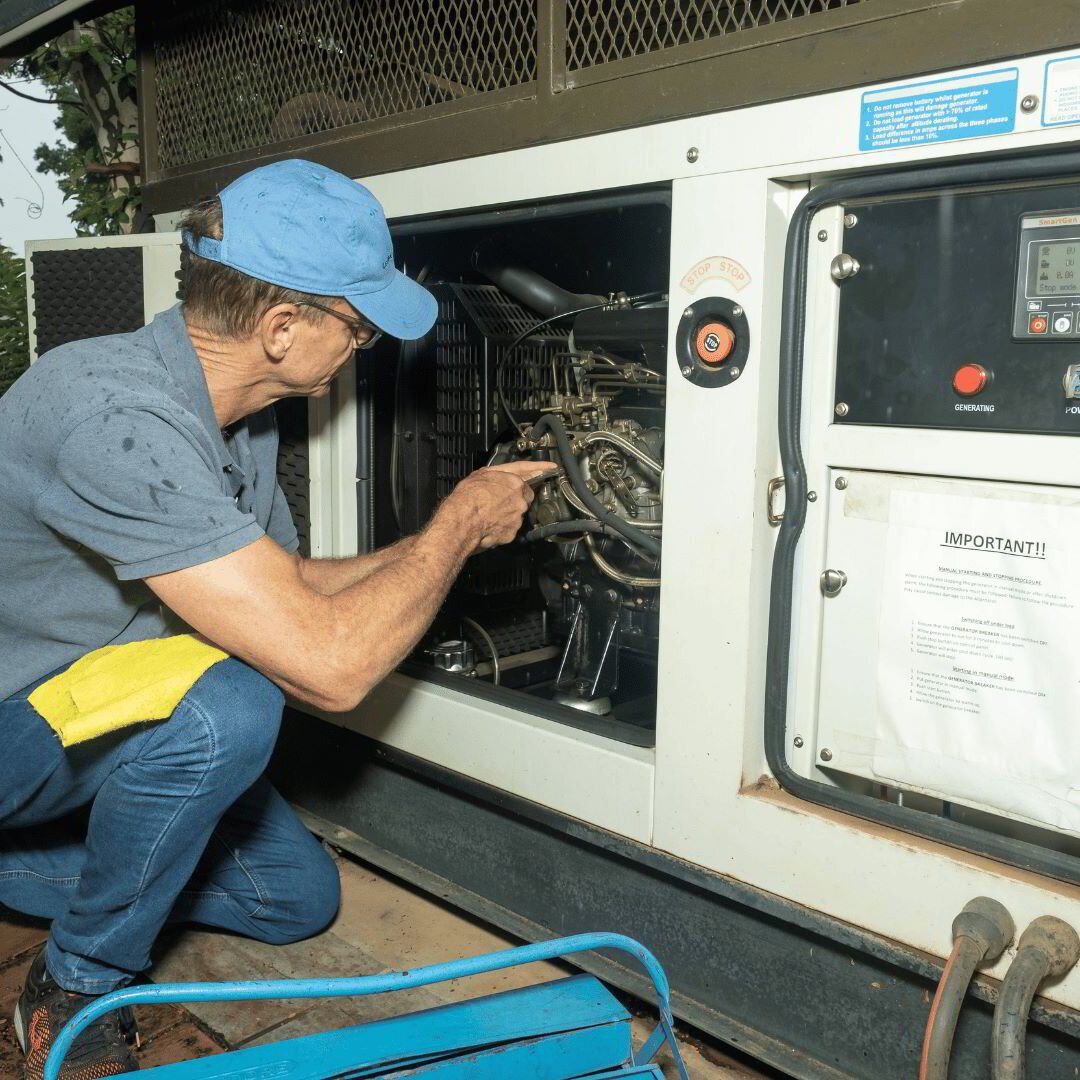
A reliable home generator isn't just a luxury; it's a critical piece of equipment that keeps your lights on, your food fresh, and your family safe when the power grid fails. But owning a generator is more than just making a one-time purchase. It's about ongoing vigilance, proactive care, and having the right Generator Accessories & Maintenance Products at Home Depot to ensure it fires up without a hitch the moment you need it most. After all, what good is a generator if it falters during a crucial outage?
For seasoned homeowners and first-time buyers alike, understanding the ecosystem of accessories and maintenance is paramount. This guide cuts through the noise, offering actionable insights and expert advice to keep your power backup system in peak condition, drawing on the comprehensive range available right on Home Depot’s shelves.
At a Glance: Key Takeaways for Generator Reliability
- Accessories are not optional: Essential items like proper extension cords, fuel stabilizers, and CO detectors are critical for safe and effective operation.
- Routine maintenance is non-negotiable: Regular checks and part replacements (oil, filters, spark plugs) significantly extend your generator's lifespan.
- Home Depot is a one-stop shop: You'll find everything from basic maintenance kits to advanced accessories designed for specific generator types.
- Sizing matters for longevity: Choosing the right generator size initially impacts how often and how hard it runs, influencing maintenance needs.
- Safety first, always: Carbon monoxide alarms and proper ventilation are paramount when operating any generator.
- Fuel is a common culprit: Stabilize your fuel, use fresh gas, and understand dual-fuel options to avoid starting issues.
Beyond the Box: Why Accessories & Maintenance Are Non-Negotiable
You’ve invested in a generator, perhaps one of those robust models designed to power your entire home through a multi-day outage. That’s a fantastic start! But think of your generator like a high-performance vehicle: it needs more than just a full tank of gas to run reliably for years. Without the right accessories, you might struggle to connect it safely or efficiently. Without proper maintenance, its lifespan plummets, and its reliability becomes a gamble – a gamble you absolutely cannot afford during an emergency.
Every component, from the spark plug to the heavy-duty extension cord, plays a role in your system's overall performance and safety. Ignoring these elements is akin to buying a parachute but forgetting the harness; it simply won’t work when you need it most.
Before You Buy: Sizing Up Your Power Needs (and Why It Matters for Maintenance)
Before diving into accessories and maintenance, let's briefly touch on generator sizing. Your generator's capacity directly impacts how it performs and, consequently, its maintenance schedule. A generator that's consistently overloaded or undersized for your actual needs will wear out faster and require more frequent upkeep.
- Understanding Your Wattage: The Core of Generator Sizing
Small portable models might deliver 2,000–4,000 watts, perfect for camping or tailgating. However, for powering a significant portion of your home during an outage, you're likely looking at heavy-duty units providing 10,000–13,000 watts, or even a 22kW generator (22,000 watts continuous power) for a medium to large-sized house. To figure out what you truly need, list all your essential appliances (lights, HVAC, refrigerators, water pumps, communication devices) and sum their running wattage. - Don't Forget the Surge: Starting Power Demands
Many appliances, especially those with motors like refrigerators or air conditioners, require a significantly higher starting wattage than their continuous running wattage. This temporary spike, known as surge capacity, is crucial to consider. For example, a refrigerator might run at 800 watts but require 2,000 watts to kick on. Ensure your generator’s surge capacity can handle these simultaneous spikes without tripping breakers or stalling. - AC and Beyond: Sizing for Specific Appliances
If you plan to run your home's air conditioning, pay close attention. An AC unit's wattage is typically found on its nameplate or manual. To convert BTU/hr to watts, remember that 1 watt equals approximately 3.412 BTU/hr. So, a 12,000 BTU/hr AC unit needs about 3,514 watts, plus a considerable starting surge. Factor this into your total power needs.
For precise sizing and installation, especially if you're considering a whole-home solution, always consult a qualified electrician or generator specialist. They can help you manage essential loads and ensure your chosen generator, whether it's a robust portable or a fixed standby unit, can meet your demands reliably. Once you have a clear picture of your power needs, it's easier to select the right kind of Home Depot generators and, critically, the accessories and maintenance products that will keep it in top shape.
Essential Generator Accessories You Can't Live Without (Available at Home Depot)
Think of these as the supporting cast that ensures your generator performs its starring role flawlessly. Home Depot stocks a wide array of options for various generator types and budgets.
1. Safety First: Protecting Your Home and Family
This category is non-negotiable. Safe generator operation is paramount.
- Carbon Monoxide (CO) Detectors: Generators produce carbon monoxide, an odorless, colorless, and deadly gas. Always have multiple battery-operated CO detectors in your home, especially near sleeping areas, and ensure they are tested regularly. Some modern generators even include built-in CO sensors with automatic shut-off systems, but never rely solely on this; layered protection is key.
- Fire Extinguishers: Keep a multi-purpose (ABC rated) fire extinguisher readily accessible near your generator's operating area and where fuel is stored.
- Proper Ventilation Solutions: While not a "product" you buy off the shelf, understanding how to safely vent your generator's exhaust is critical. Never operate a generator indoors or in an enclosed space. Ensure it's at least 20 feet away from your home's windows and doors, with the exhaust pointed away.
2. Fueling Your Lifeline: Storage and Stability
Fuel management is often the most overlooked aspect of generator reliability.
- OSHA-Approved Gas Cans: Store gasoline in approved, clearly labeled containers, preferably metal, and never inside your living space. Home Depot offers a variety of sizes and designs, including CARB-compliant cans.
- Fuel Stabilizer: Gasoline can degrade in as little as 30 days, especially ethanol-blended fuels, leading to carburetor gumming and starting issues. A good fuel stabilizer, added to the tank after each use or before long-term storage, keeps fuel fresh for 12 months or more. This is particularly crucial for smaller portable units that might sit idle for extended periods.
- Fuel Filters and Funnels: Keeping debris and water out of your fuel is vital. A funnel with a built-in filter is an inexpensive yet effective accessory.
- Propane Tanks (for Dual-Fuel Generators): If you have a dual-fuel generator, having extra filled propane tanks is excellent for backup. Propane has a much longer shelf life than gasoline and burns cleaner.
- Fuel Siphon Pump: In a pinch, a siphon pump can help you transfer fuel safely from one container to another.
3. Power Delivery: Getting Electricity Where You Need It
Connecting your generator to your home requires specific, heavy-duty equipment.
- Heavy-Duty Outdoor Extension Cords: Crucial for portable generators. These must be rated for outdoor use, the correct gauge (e.g., 10-gauge for higher wattage, longer runs) to prevent overheating, and long enough to allow the generator to sit safely away from your home. Avoid using multiple thin cords; invest in one or two robust ones.
- Manual Transfer Switch (MTS) or Automatic Transfer Switch (ATS): For connecting your generator directly to your home's electrical panel.
- Manual Transfer Switch: Installed by a licensed electrician, this allows you to safely switch your home's power source from the utility grid to the generator, preventing dangerous backfeeding into the grid (which can injure utility workers). It lets you power selected circuits in your home.
- Automatic Transfer Switch: Typically used with larger, whole-home standby generators, this senses a power outage and automatically starts the generator, then switches your home's power supply without any manual intervention. This is a significant investment but offers seamless power restoration.
- Power Inlet Box: Used in conjunction with a transfer switch, this weatherproof box is installed on the exterior of your home, providing a safe, dedicated connection point for your generator's power cord.
4. Protection & Storage: Guarding Your Investment
Extend your generator's life by shielding it from the elements and securing it.
- Generator Covers: A weather-resistant cover protects your unit from rain, snow, dust, and UV rays, preventing corrosion and deterioration of components, especially important for models with a full metal frame. Look for heavy-duty, breathable covers.
- Security Cables/Locks: To deter theft, especially for portable units, a robust security cable and padlock can anchor your generator to a fixed object.
5. Convenience & Operation: Making Life Easier
These accessories enhance usability and portability.
- Wheel Kits & Foldable Handles: While many newer generators come with never-flat wheels and foldable handles for easy portability, if your model doesn't, a wheel kit is a worthwhile upgrade. Moving a 200+ pound generator without them is a serious chore.
- Remote Start Kits: For generators with electric start, a remote start kit allows you to start and stop the unit from a distance, which is particularly handy in inclement weather.
The Lifeline of Your Generator: Maintenance Products from Home Depot
Regular maintenance isn't a chore; it's an insurance policy. Home Depot carries all the supplies you need to keep your generator running efficiently for its promised 8–12 hours of continuous power and beyond. An hour meter, often built-in, is your best friend here, helping you track maintenance intervals.
1. Engine Health: The Heart of Your Generator
Proper engine care is paramount for models with a cast-iron sleeve or full metal frame, ensuring they deliver a longer lifespan under heavy use.
- Engine Oil: Just like your car, generators need regular oil changes. Consult your generator's manual for the specific oil type (e.g., SAE 30, 10W-30, synthetic) and viscosity recommended for your climate. Home Depot offers a variety of small-engine oils.
- Oil Filters: For generators with an oil filter, these need to be replaced with each oil change or as specified by the manufacturer.
- Air Filters: A clean air filter is crucial for optimal engine performance and fuel efficiency. Replace it annually or more often if operating in dusty conditions. Clogged filters force the engine to work harder, reducing its lifespan.
- Spark Plugs: A clean, properly gapped spark plug ensures efficient combustion. Keep a spare on hand and replace it according to your generator’s maintenance schedule (typically every 100-200 hours of use).
- Generator Maintenance Kits: Many manufacturers offer convenient kits that include the correct oil, oil filter, air filter, and spark plug specific to your generator model. These are an excellent starting point.
2. Fuel System Care: Preventing Costly Problems
Clean fuel is a happy engine.
- Carburetor Cleaner: If your generator has been stored with old fuel, the carburetor can get gummed up. A carburetor cleaner can often resolve minor issues without needing a full rebuild.
- Fuel Line Cleaner: These additives help clean the entire fuel system, especially if you suspect deposits are building up.
3. Battery Maintenance: For Electric Start Reliability
If your generator has an electric start feature, its battery needs attention.
- Battery Charger/Maintainer: A trickle charger or battery maintainer keeps the starting battery fully charged during periods of inactivity, ensuring it has enough juice to crank the engine when needed. Look for "smart" chargers that won't overcharge.
- Battery Terminal Cleaner: Corrosion on battery terminals can prevent your generator from starting. Keep a brush and cleaner on hand.
4. Cleaning & Protection: External Care
Don't forget the exterior!
- General Purpose Cleaners: Keep the exterior of your generator clean from dirt, grime, and oil spills.
- Anti-Corrosion Sprays: For generators stored in humid environments, an anti-corrosion spray on exposed metal parts can help prevent rust.
5. Diagnostic Tools: Staying Ahead of Trouble
Sometimes, a little diagnostic help goes a long way.
- Hour Meter: If your generator doesn't have one built-in, an aftermarket hour meter is inexpensive and invaluable for tracking actual run time, helping you stick to maintenance schedules.
- Multimeter: For the more mechanically inclined, a multimeter can help diagnose electrical issues, test battery voltage, or check for continuity.
Your Generator Maintenance Checklist: Keeping It Running Smoothly
Reliability stems from a consistent routine. Here’s a simplified checklist based on expert recommendations:
Pre-Season Prep (Before Storm Season or Planned Use)
- Visual Inspection: Check for loose wires, damaged components, fuel leaks, and general wear and tear.
- Check Fluid Levels: Verify engine oil, coolant (if applicable), and fuel levels. Top off as needed.
- Test Start: Start the generator, let it run under a light load for 15-20 minutes to ensure it’s operating correctly. This also circulates fresh oil and fuel.
- Cleanliness: Wipe down the generator, clear any debris from air intakes and cooling fins.
- Battery Check: Ensure the electric start battery is fully charged and terminals are clean.
- Fuel Stabilizer: If you didn't stabilize fuel after the last use, add it now. Ensure you have a fresh supply of gasoline or propane.
During Use (During an Outage or Extended Operation)
- Monitor Levels: Keep an eye on fuel and oil levels, especially during long outages.
- Refuel Safely: ALWAYS turn the generator off and allow it to cool before refueling. Never refuel a hot generator. Use a funnel to prevent spills.
- Listen & Observe: Pay attention to unusual noises, smells, or performance changes.
- Carbon Monoxide Awareness: Continuously ensure adequate ventilation and check CO detectors.
Post-Use & Storage (After Every Use)
- Fuel Management:
- Short-term storage (under a month): Add fuel stabilizer to a full tank to minimize condensation.
- Long-term storage (over a month): Run the generator until it’s out of fuel, or drain the fuel tank and carburetor (if using gasoline). For propane, simply shut off the tank.
- Oil Change: Change the oil after the first 20-25 hours of operation for a new generator, then every 50-100 hours or annually, whichever comes first. Refer to your owner’s manual.
- Air Filter: Inspect and clean/replace the air filter.
- Spark Plug: Inspect and clean/replace the spark plug as per the manual.
- Cleanliness: Wipe down the generator, especially if it was exposed to dirt or moisture.
- Cover It: Place a weather-resistant cover over the generator to protect it.
Scheduled Maintenance Intervals
- Every 50-100 Hours (or Annually):
- Change engine oil and oil filter (if applicable).
- Check/clean/replace air filter.
- Inspect spark plug; replace if necessary.
- Inspect fuel filter (if applicable); replace if clogged.
- Check battery terminals for corrosion.
- Every 200 Hours (or Biennially):
- Comprehensive review of all the above.
- Inspect fuel lines for cracks or damage.
- Check valve clearance (for advanced users or professional service).
Troubleshooting Common Generator Issues (and the Products to Fix Them)
Even with diligent maintenance, issues can arise. Knowing how to troubleshoot common problems can save you time and stress.
1. Generator Won't Start
- No Fuel: Is there fresh fuel in the tank? Is the fuel valve open? (Solution: Fuel stabilizer, fresh gas, check fuel lines for clogs).
- Dead Battery: For electric start models, is the battery charged? Are terminals clean? (Solution: Battery charger/maintainer, battery terminal cleaner).
- Bad Spark Plug: Is the spark plug fouled, wet, or improperly gapped? (Solution: Spare spark plug, spark plug wrench).
- Clogged Carburetor: Old, unstabilized fuel is a common culprit. (Solution: Carburetor cleaner, fuel stabilizer for prevention).
- Low Oil Shut-off: Many generators have an automatic shut-off if the oil is too low. (Solution: Engine oil).
2. Loss of Power or Generator Shuts Down
- Overload: Are you trying to power too many appliances? The generator’s circuit breaker might have tripped. (Solution: Reduce load, reset breaker).
- Low Fuel/Oil: Check fluid levels. (Solution: Fuel, engine oil).
- Overheating: Is the generator clean? Are cooling fins free of debris? Is it properly ventilated? (Solution: General purpose cleaner, ensure proper placement).
- CO Sensor Activation: The generator might have shut down due to detected carbon monoxide. Move it to a better-ventilated area. (Solution: CO detector for personal safety).
3. Generator Running Rough or Sputtering
- Stale Fuel: Old, degraded fuel is often the cause. (Solution: Drain old fuel, refill with fresh stabilized fuel, carburetor cleaner).
- Dirty Air Filter: Restricts airflow, causing poor combustion. (Solution: Air filter replacement).
- Fouled Spark Plug: Inconsistent spark leads to rough running. (Solution: Inspect/replace spark plug).
Investing in Peace of Mind: What to Look For in Products
When selecting generator accessories and maintenance products at Home Depot, consider these factors:
- Compatibility: Always check your generator’s manual for specific requirements (e.g., oil type, filter model numbers).
- Quality & Durability: Look for reputable brands known for generator products. A heavy-duty extension cord from a known brand will outperform a generic, thin one.
- User Reviews: Online reviews can provide valuable insights into product effectiveness and ease of use.
- Safety Certifications: For items like gas cans and CO detectors, ensure they meet relevant safety standards (e.g., OSHA, CARB, UL).
Your Reliable Power Partner: Making the Most of Your Home Depot Visit
Home Depot isn't just a place to buy your generator; it's a comprehensive resource for its entire lifecycle. Before you head out, make a list of your generator's specific needs based on your manual and the maintenance schedule. Don't hesitate to:
- Consult Store Associates: Home Depot staff are often knowledgeable and can guide you to the right products for your specific generator model.
- Explore Online Resources: Home Depot’s website often has product guides, how-to videos, and customer reviews that can help you make informed decisions.
- Look for Bundles/Kits: Many brands offer generator maintenance kits that provide all the necessary components for a tune-up in one convenient package.
By taking a proactive approach to generator accessories and maintenance, you're not just buying products; you're investing in uninterrupted power, peace of mind, and the longevity of a vital home appliance. Equip yourself wisely, maintain diligently, and you'll be ready for whatever the grid throws your way.